
Practical retaining-wall answers
Frequently Asked Questions About Retaining Walls
Use these answers to prepare better questions about materials, drainage, repairs and the Victorian approval path for a Geelong property.
Answer first
Retaining wall Geelong questions grouped by decision
The answers are planning guidance. Property levels, boundaries, condition and professional advice determine the actual design, permit and construction path.
Compliance
Do I need a building permit for a retaining wall in Victoria?
A building permit is required for a retaining wall 1 metre or more high. A lower wall may still require one when it is associated with other building work or protects adjoining property. A registered building surveyor should assess the site.
Could a planning permit also be required?
Yes. Planning overlays, zoning, easements and title restrictions are separate from the building-permit question. Check the property-specific controls before work begins.
Does a wall near a boundary need extra checks?
Yes. Even below 1 metre, a wall can require a permit where excavation or retention could damage adjoining property. Boundary location and protection work should be reviewed before digging.
Can a retaining wall be built over an easement?
An easement can restrict construction and access to services. Check the title and obtain any required authority or council consent before fixing the wall alignment.
Who designs an engineered retaining wall in Victoria?
A suitably qualified structural engineer prepares the site-specific structural design. A registered building surveyor determines and administers the building-permit pathway where required.
What registration should I check for a retaining-wall builder?
Depending on scope, relevant Victorian registration can include Domestic Builder limited to construction of retaining walls or structural landscaping. Verify the practitioner and permitted work class for the project.
Cost
How much does a retaining wall cost in Geelong?
Cost depends on wall face area, material, demolition, access, excavation, drainage, engineering and permits. Compare site-specific written quotes rather than a length-only headline.
Can difficult access change the price?
Yes. Machine width, hand excavation, spoil removal, material handling, concrete placement and protection of gardens or adjoining property can materially change scope.
What should a retaining-wall quote include?
Look for dimensions, design assumptions, demolition, disposal, excavation, materials, posts or footings, drainage, backfill, permits, inspections, exclusions and payment stages.
Materials
Which retaining-wall material lasts the longest?
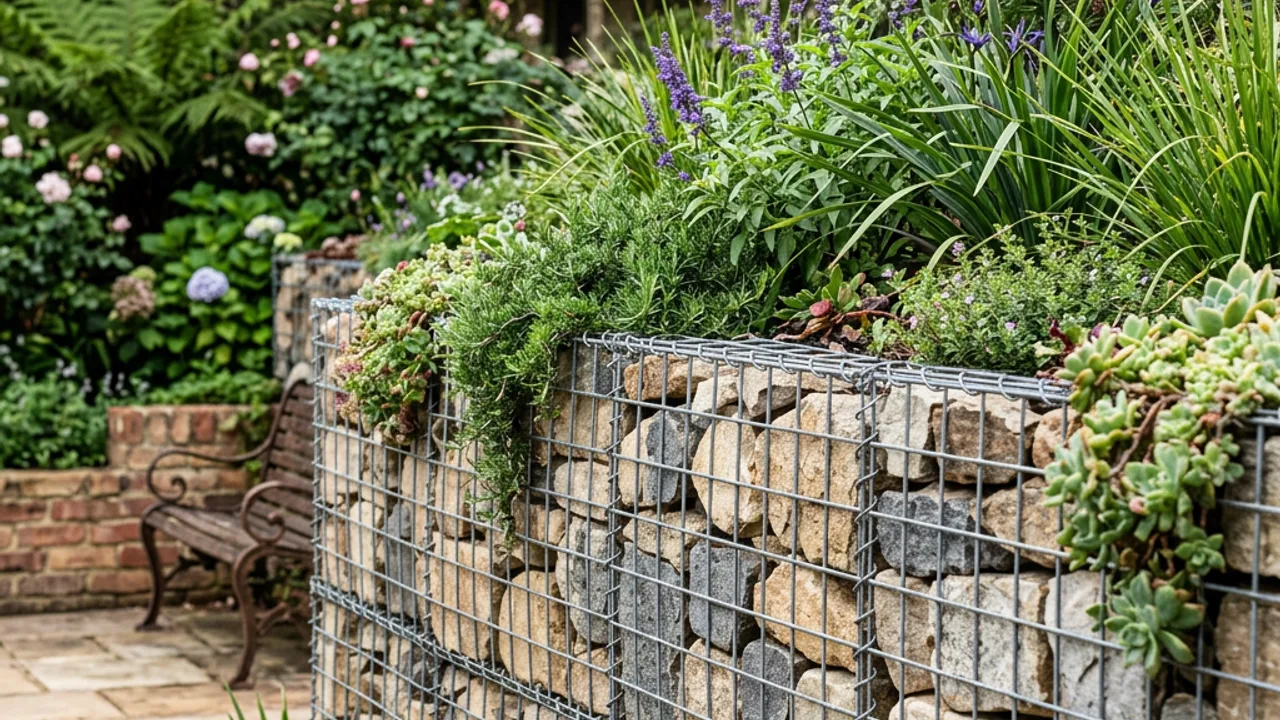
Design, drainage, exposure, installation and maintenance matter as much as the material. Concrete sleeper, masonry, segmental block, rock, gabion and suitable timber systems fit different conditions.
Are concrete sleeper walls suitable near the coast?
They can be when the complete system suits the exposure. Sleeper specification, post protection, fixings, drainage and maintenance should respond to the actual coastal site.
Do rock or gabion walls need more space?
Usually. Their structural footprint, batter and construction access can be wider than a post-and-sleeper system, so the available area within the property matters.
Repair vs Replace
Can an old timber wall be replaced with concrete sleepers?
Often, but the replacement has different post, footing, access and load requirements. Existing drainage, services, fences and nearby structures also need assessment.
How do I know whether a leaning wall can be repaired?
The cause matters. Inspect post or footing condition, rotation, retained loads, wall material, drainage, soil loss and movement before choosing repair over replacement.
Drainage
Why is drainage important behind a retaining wall?
Water pressure and migration of fine soil can move or damage a wall. A complete system coordinates drainage aggregate, filter fabric, subsoil pipe, surface falls and a lawful outlet.
What should I ask about the ag pipe and geofabric?
Ask where the pipe sits, how aggregate is filtered, what fall is provided, where the outlet goes and how the system can be inspected or maintained.
Can retaining-wall water drain onto a neighbour's property?
Do not assume it can. The design should identify a lawful point of discharge and avoid creating concentrated runoff or damage on adjoining land.
Talk to a specialist
Still have a site-specific question?
Send the details and get a straight answer for your Geelong property.
Safety
What are common signs of retaining-wall failure?
Leaning, bulging, cracked masonry, rotted sleepers, corroded posts, opened joints, washed-out backfill and persistent water at the base all warrant closer assessment.
Timing
How long does retaining-wall construction take?
Timing varies with design, permits, service location, demolition, access, excavation, material lead times, inspections and weather. Approval lead time is separate from site time.
Process
Can a fence be installed on top of a retaining wall?
It can be designed that way, but the fence adds wind and structural load. Posts, the wall system, combined height and the permit pathway need to be considered together.
Local
Which Geelong areas are covered?
Coverage includes central and suburban Geelong, the northern corridor, Armstrong Creek growth area and selected Bellarine and Surf Coast locations. Submit the property suburb for confirmation.
Talk to a specialist
Ready to start your Geelong retaining walls?
Share the details and we will help you take the next step with confidence.